


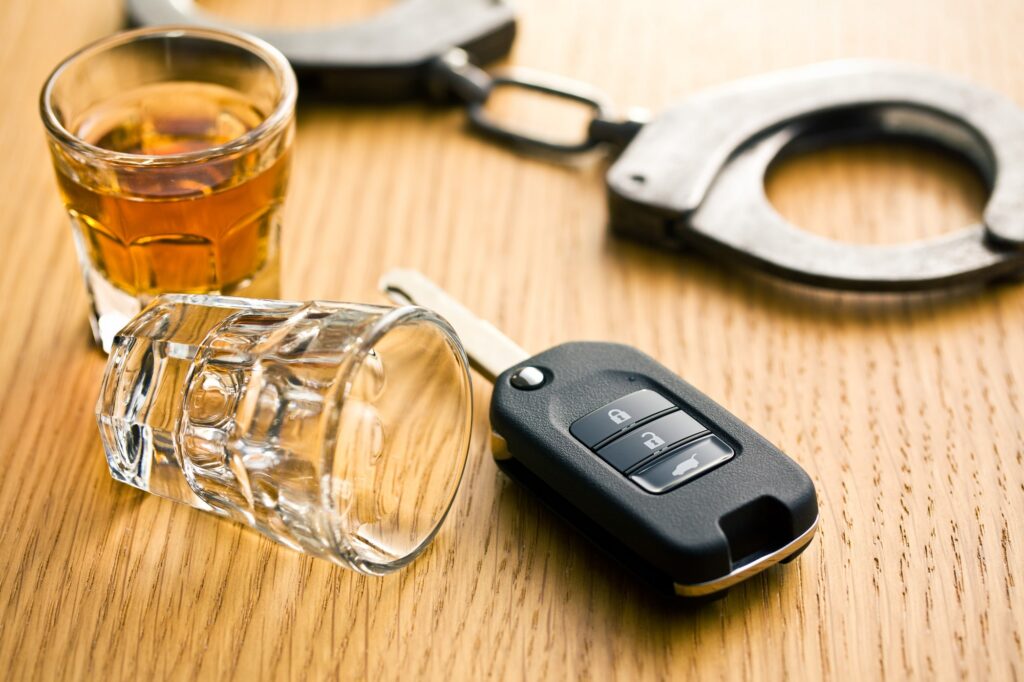
When a drunk driver causes a fatal crash, families may ask whether the bar or host that served the driver can be held responsible. Indiana’s alcohol liability statute answers that question narrowly. The questions below explain how it works for families near Fishers.
What Does Indiana Law Say About Serving Alcohol?
Indiana Code Section 7.1-5-10-15.5 says a person who furnishes an alcoholic beverage isn’t liable in a civil action for damages caused by the impairment or intoxication of the person served, subject to exceptions. The word “furnish” covers selling, delivering, giving away, and other ways of providing a drink. A separate subsection limits claims by a person 21 or older who is hurt because of his or her own voluntary intoxication, so the rules differ depending on who was hurt.
When Can a Provider Still Be Held Liable?
Two conditions open the door. The provider must have had actual knowledge that the person served was visibly intoxicated at the time of service. The intoxication must also have been a proximate cause of the death, injury, or damage described in the complaint.
Both conditions have to be met. Proving only one isn’t enough.
Why Is Actual Knowledge Hard to Prove?
The standard focuses on what the provider actually knew, and the statute doesn’t use a should-have-known test. Proof can come from witnesses, receipts, security video, and the way the person acted. Staff members, other patrons, and the server’s own account all matter.
Visible signs, such as slurred speech or trouble walking, can support the argument. Evidence like that has to connect to the moment the drink was served.
What Evidence Should a Family Preserve?
Evidence can disappear fast. Useful items include:
- Names of the venue, event, or host
- Receipts, tabs, and card statements
- Photos or video from the evening
- Text messages sent by the driver
A family should also write down anything the driver said about where the drinking took place, and ask the police whether the report records it or whether officers photographed receipts or took statements at the scene. Those details can point investigators to the right place.
How Does This Fit With a Wrongful Death Claim?
The driver who caused the crash is usually the first defendant, and the alcohol provider is a separate question. The overview of Indiana’s wrongful death statute explains who may bring a claim and what it covers. A death case can include more than one defendant, and each has its own insurance and defenses.
Each defendant’s share of fault and insurance also affects what a family can recover, which the discussion of wrongful death damages covers. A claim against a bar or host is judged on the statute’s two conditions, not only on the driver’s conduct.
Does a Criminal Case Change Anything?
A criminal case against the driver may move at a different pace than the civil claim. The two can influence each other, since criminal charges can generate police reports and statements. A guilty plea may carry weight as evidence, but it doesn’t settle every civil question. The civil claim still has to be proved on its own terms.
Who Can Help a Family Sort This Out?
Families who’ve lost someone to a drunk driver may ask whether a second defendant was involved, and they can ask a Fishers wrongful death lawyer to review the facts of the evening and the evidence that exists. The statute applies to any person who furnishes alcohol, so a host at a private gathering can fall under the same rules as a bar or restaurant. Early review helps because bars and hosts may not keep records for long.
The person who brings a wrongful death claim matters too. Reading about who can file in Indiana helps a family see who the law allows to bring the claim.
What About the Filing Deadline?
Wrongful death claims follow time limits, and waiting can hurt a case. Reading about wrongful death filing limitations shows why early action matters. When alcohol was served, the evidence can disappear faster than the deadline approaches. Waiting also makes it harder to find witnesses who saw the driver being served.
Who Is the Attorney Behind the Firm?
At Pavlack Law, LLC, attorney Eric Pavlack is admitted in Indiana, in the federal courts for the Northern and Southern Districts of Indiana, and before the Seventh Circuit. He holds a biology degree from Indiana University, earned in 1996.
What Is the First Thing to Do?
Write down every detail you know about the evening, and ask police for the report number. Fishers families dealing with a fatal crash can get in touch with us to talk through the evidence and who may be responsible.


“The team at Pavlack Law, LLC, LLC was professional, loyal, and hardworking from beginning to end. Even when I didn’t know if I had a case, they were extremely helpful and demonstrated their expertise from our first consultation all the way through trial.”
“Eric Pavlack and his associates are a great legal team! Anytime I had questions they were always very helpful and got back to me right away. Throughout the whole process they made sure I was comfortable moving forward with each step. I recommend Pavlack Law, LLC, LLC to anyone looking for legal representation.”
“Attorney Pavlack has represented me and my family for years in various cases including Title Insurance, Wills, General Legal Matters and Social Security. He is always efficient and willing to work around our busy schedules. Highly recommended.”